
To verify someone met online is real, run their photos through a reverse image search on Google Images or TinEye by uploading a screenshot from your phone, then insist on a live video call within the first week while cross-checking name spelling, job title, and city across every platform they mention. These checks work best when used together: a convincing profile photo alone does not confirm an identity, and a detailed backstory does not outweigh a refusal to verify basic facts. The goal is not to investigate every minor discrepancy, but to identify whether the person can consistently support the claims they are using to build trust.
Performing Reverse Image Searches
Open the dating app or social media conversation on your phone and take a clean screenshot of the profile photo without extra text overlays. Crop out usernames, dating app icons, and message bubbles when possible so the image-search tool focuses on the face, background, or distinctive clothing rather than interface elements. Upload that image directly into Google Images by tapping the camera icon in the search bar, or use the TinEye website which accepts mobile uploads without requiring an account. Run the same search on any additional photos they send later.
Matches that trace back to stock photography sites, unrelated social media accounts, or foreign-language pages indicate the images were stolen. A result may also show the same photograph attached to several names, cities, or dating profiles. That is a particularly strong warning sign because a real person should not appear as multiple unrelated people online — the same visual tells covered in How to Spot a Fake Dating Profile apply here too. Do not dismiss a mismatch simply because the person says an old account was hacked or a photo was copied; they should still be able to provide a current live verification call.
Repeat the process on any new images after they claim a change in appearance or location. For example, if someone says they are currently working abroad but sends a new beach photo or professional headshot, search it separately rather than assuming it belongs to the same person. Different photos can be sourced from different accounts, and scammers often use a small collection of stolen images over time. This step takes under five minutes and reveals reuse before any deeper conversation develops.
Testing with Video Calls
Scammers avoid live video because it exposes mismatched appearances and prevents pre-recorded material. Request a video call within seven days of steady messaging and note the response pattern. Keep the request simple and practical: suggest a brief call at a specific time rather than asking for a long conversation. A legitimate match may be busy, nervous, or in a different time zone, but they can usually propose an alternative time and follow through.
Repeated excuses such as a broken camera, poor connection only on video, workplace video restrictions, or sudden travel form a consistent avoidance script. One technical issue can happen to anyone. The concern is a pattern in which every proposed call is delayed, canceled, or converted to voice-only. Watch for explanations that always prevent visual verification while still allowing extensive text messaging, voice messages, or daily romantic conversations. French-language readers researching similar identity-verification pitfalls can also find a dedicated look at dating scam patterns and OSINT verification techniques useful for comparing methods across markets.
If they agree but the call never materializes or they switch to voice-only after the scheduled time, treat the profile as unverified. Do not let an apology, a new emergency, or a promise to call “soon” reset the verification timeline indefinitely. A person who wants a genuine relationship can normally make time for a short live conversation before asking for personal details, emotional commitment, or off-platform contact.
A single successful video call where both parties show government-issued identification on screen provides stronger confirmation than weeks of text alone. The identification should be shown only briefly and should match the name the person has been using. Do not ask them to send copies of identification documents through chat, since those can be stolen or altered and may expose unnecessary personal information. The useful point is seeing the person live, hearing them respond naturally, and confirming that their face and basic identity match the profile they presented.
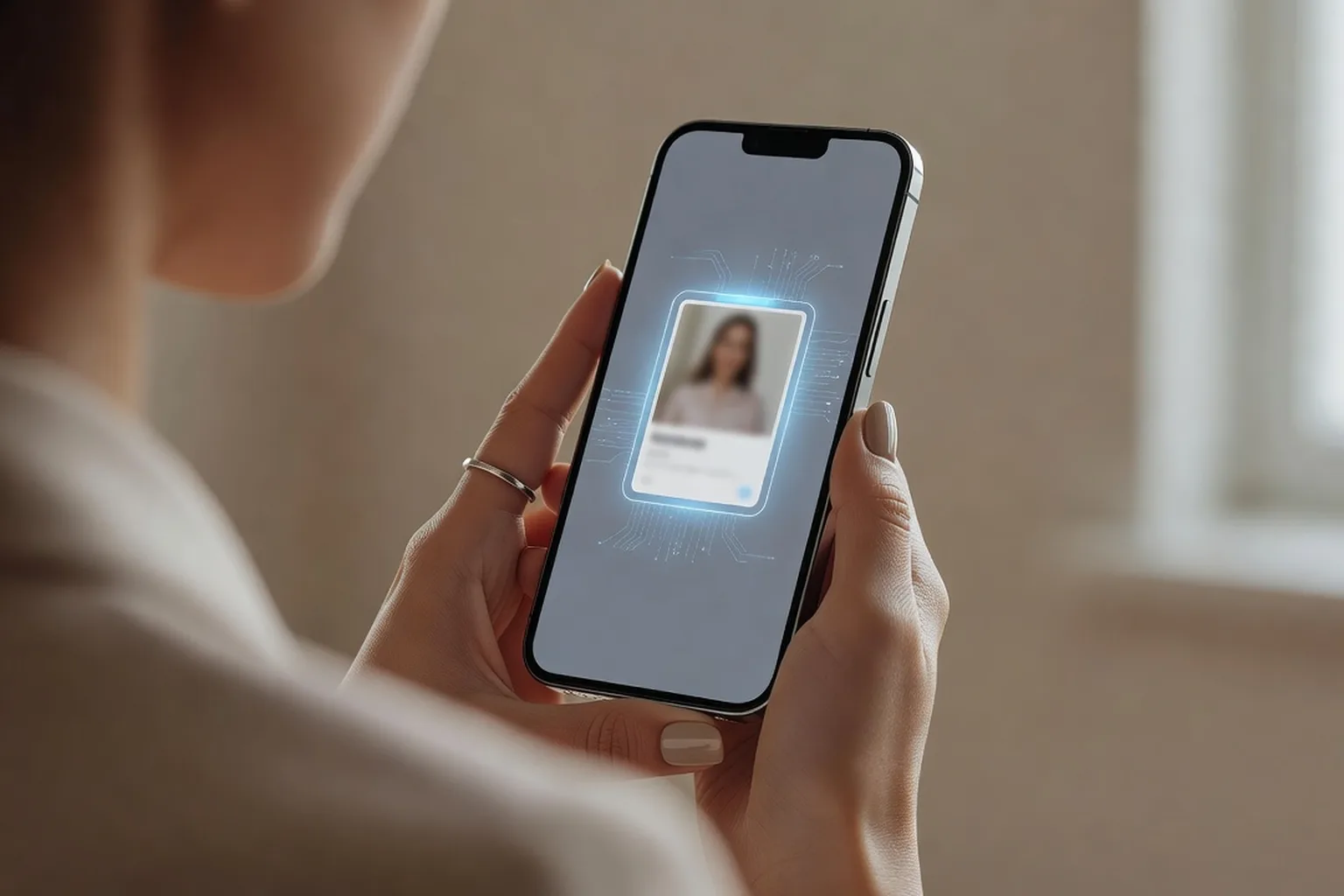
Reverse image search is the fastest first check before trusting a new match.
Verifying Details Across Platforms
Create a simple comparison table of the three core claims they have made and check each one on every site they reference. Use the spelling exactly as it appears in each location, including middle initials, abbreviations, and job descriptions. Small differences are not automatically proof of fraud, but several differences that all benefit concealment deserve attention.
| Claim Type | Dating Profile | Social Media | Search Results |
|---|---|---|---|
| Full Name | John R. Hale | John Hale | John R. Hale, different spelling in one result |
| Job Title | Offshore engineer | Drilling supervisor | No matching company records |
| Current City | Houston, TX | Houston, TX | Linked to address in another state |
Inconsistencies in spelling, employer name, or city history appear quickly when the same details are entered into a search engine alongside the occupation. Search combinations such as the claimed name plus employer, name plus city, or job title plus location. A real online presence does not need to be extensive, but the available information should not point to a completely different person or contradict the story being told.
Scammers often maintain separate accounts with slight variations that collapse under this check. For instance, a profile may claim to be an offshore engineer in Houston while a linked social account describes a different role, has no local contacts, and uses photographs that appeared years earlier under another name. Another warning sign is when every social media profile was created recently, has little ordinary interaction, and contains only polished profile pictures with no believable history of friends, comments, or location tags.
Give reasonable weight to privacy. Some legitimate people use shortened names, keep work details private, or do not post much online. The issue is not whether every claim can be found publicly; it is whether the claims that are available stay consistent when checked against one another. If the person becomes defensive, changes their story, or refuses a basic video call after discrepancies are raised, the lack of verification matters more than any single search result — see Dating Red Flags to Watch For for the broader behavioral pattern this fits into.
Identifying Escalation to Financial Requests
Romance scammers follow a fixed sequence: extended rapport-building over several weeks, introduction of a sudden crisis, and a framed request for money presented as temporary and refundable. The early stage often involves frequent messages, fast declarations of affection, and promises to meet soon. This contact is designed to create urgency and emotional obligation before the financial request appears.
Common scripts include customs fees for imported equipment, medical bills after an accident abroad, or upfront capital for a business wire transfer that will repay double. Other requests may be framed as help with travel, a phone replacement, a gift card, cryptocurrency, or payment for a supposedly delayed package. The exact story changes, but the request relies on the same pressure: they need help immediately, cannot access normal banking, and will repay the money as soon as the crisis passes.
These requests arrive after declarations of affection and after the person has established a pattern of daily contact. They may say that asking is embarrassing, promise that it is a one-time emergency, or claim that nobody else can help. Any mention of money, even small test amounts, ends the verification process. Do not send a small amount to see whether the story is true, and do not accept repayment promises as evidence of good intentions.
The US Federal Trade Commission, Consumer Sentinel Network Data Book tracks romance scam losses as one of the highest-value fraud categories reported each year. Financial requests should therefore be treated as a safety issue rather than a relationship problem to solve. Stop sending messages, preserve the evidence, and do not continue negotiating or explaining why you will not pay. Continued contact gives the scammer more opportunities to use guilt, urgency, or new stories. The general precautions in our Online Dating Safety Checklist cover how to limit this exposure from the start.

Financial requests that escalate quickly are one of the clearest scam signals.
Understanding Common Occupation Pretexts
Three occupations appear repeatedly because they supply built-in reasons for absence and communication gaps. Deployed military personnel cite restricted internet and classified locations. Offshore engineers reference long shifts on rigs with limited connectivity. Widowed professionals describe recent loss and reluctance to meet in person during grieving periods. These stories can sound plausible because they contain real-world constraints, but they also make it easier to explain missed calls, hidden locations, and delayed plans.
Each claim can be tested by asking for a verifiable unit number, rig name, or employer contact that can be checked through public records. Ask calmly and specifically rather than accepting broad descriptions. Someone who says they work offshore should be able to identify the company or rig without repeatedly changing the answer. A person claiming a professional role should be able to provide a consistent employer name, job title, and work history that does not conflict with their profile.
When these details cannot be confirmed or produce conflicting information, the occupation functions as cover rather than fact. Be especially cautious when the claimed job always prevents a video call, in-person meeting, or normal financial access. A real job may limit availability, but it does not require a new online partner to send money, buy gift cards, receive packages, or handle a personal emergency.
Taking Action Through Reporting Channels
Once inconsistencies or a financial request appear, stop all contact and preserve the conversation history with timestamps. Screenshot the profile, messages, photos, usernames, payment requests, and any email addresses or phone numbers used. Save transaction details if money, cryptocurrency, gift cards, or bank transfers were involved. Do this before blocking, since profiles and messages can disappear after a report.
Use the dating platform’s built-in report and block function first. Provide the clearest evidence available, including the exact account name and the reason for the report. File a report at ReportFraud.ftc.gov for cases involving US residents. UK residents submit details to Action Fraud. When money has already moved, submit the full transaction record to the FBI’s IC3.gov. If you paid through a bank, card provider, payment app, or cryptocurrency exchange, contact that service immediately as well; prompt notice may help limit further loss even if recovery is not guaranteed.
These channels route complaints to the correct agencies and help identify repeat accounts across platforms. Reporting also helps dating services remove profiles that may be targeting several people at once. Do not worry that the amount lost is too small to report. Small payments, attempted requests, and fake profiles can still provide useful information when combined with reports from other users. Readers researching matchmaking as a lower-risk alternative to open app dating may also find this Quebec-based matchmaker interview relevant, since curated introductions reduce some of the identity-verification burden discussed above.
Verification Checklist Before You Trust a New Match
Run through these steps before sharing personal details, meeting in person, or considering any financial request. If you are still comparing platforms altogether, our Top 10 Dating Sites ranking also notes which sites have stronger built-in verification tools.
- Screenshot every profile photo and run it through both Google Images and TinEye before any personal details are exchanged.
- Crop screenshots when possible so app labels and text overlays do not interfere with image-search results.
- Schedule the video call during the first week and treat repeated technical excuses as a termination signal.
- Compare name spelling, job title, and city on at least three separate sources including search results.
- Search the claimed name together with the employer or occupation to identify conflicting work histories.
- Treat a completed live call as stronger evidence than voice notes, prerecorded clips, or extensive text conversations.
- End communication immediately at the first mention of money regardless of the framing story.
- Preserve screenshots, account names, timestamps, and payment details before blocking the account.
- Submit preserved chat logs to the platform, then to ReportFraud.ftc.gov or Action Fraud depending on location.