
Dating while traveling solo can be an exhilarating way to meet new people and experience local cultures. However, it also introduces unique risks that differ from dating in your hometown. This comprehensive guide will equip you with the necessary tools and knowledge to safely navigate the dating scene abroad in 2026.
Why Dating While Traveling Solo Carries Different Risks
Traveling alone places you in unfamiliar environments where you lack the support network you might rely on back home. This lack of familiarity and immediate backup can make solo travelers particularly vulnerable to scams and unsafe situations. In cities like Bangkok or Barcelona, where the nightlife is vibrant and the cultures are diverse, travelers can easily find themselves in situations that are both thrilling and intimidating. For example, a night out in Bangkok’s bustling Khao San Road can quickly turn from an exciting adventure to a precarious situation if you’re not vigilant.
When you’re in a new city, language barriers and cultural differences can further complicate interactions. Without the security of knowing the local area, you might find it difficult to discern safe locations or trustworthy individuals. In 2026, global dating platforms continue to evolve, offering more opportunities to connect with locals. However, this also means more chances for criminals to exploit unsuspecting travelers. Travelers have reported an increase in scams targeting them through popular dating apps. In one case, a traveler was lured to a secluded area under the guise of a romantic meetup, only to be robbed.
Adding to this, cultural nuances can often lead to misunderstandings. For example, in some cultures, a friendly gesture might be interpreted as romantic interest, which can create awkward situations. It’s crucial to educate yourself about local customs and dating etiquette. Solo travelers should also be aware of local laws regarding public interactions, as what might be considered harmless in one country could be frowned upon or even illegal in another. An American tourist in Saudi Arabia, for instance, might unknowingly breach local customs by engaging in public displays of affection.
Key takeaway: Solo travelers must be extra vigilant about personal safety and cultural differences when dating abroad. Understanding these unique challenges can help you prepare and protect yourself.
Choosing the Right App for Meeting People in a New Country
Selecting the appropriate dating app is crucial for ensuring a safe experience. In 2026, many platforms offer features specifically designed for travelers, such as language translation and local activity suggestions. However, not all apps are created equal in terms of security and user verification. For example, an app like Hinge, which requires users to answer specific questions about themselves, can help you gauge compatibility and sincerity more effectively than an app with minimal user interaction.
| Feature | Importance for Travelers | Recommended Apps |
|---|---|---|
| User Verification | High | Bumble, Hinge |
| Local Activity Suggestions | Medium | Tinder, Bumble |
| Language Support | Essential in non-English areas | Tinder, OKCupid |
Using apps with robust verification processes can significantly reduce the risk of encountering fake profiles or scams. Our guide to the best international dating platforms provides detailed information on which apps offer the best security features. Users of apps with strong verification measures tend to experience fewer incidents of fraud. Moreover, these apps often have community guidelines that promote respectful interactions, thereby enhancing user safety.
Additionally, some apps have introduced safety features like panic buttons and emergency contact alerts, which can be invaluable in unfamiliar environments. For instance, Tinder has partnered with Noonlight to provide location tracking and emergency assistance in case something goes wrong during a date. This feature is designed to help prevent potential incidents by enhancing user safety during emergencies.
Common mistake: Avoid using apps that lack verification processes or are known for having a high number of fake profiles. Always research the app’s reputation before using it in a new country.
Verifying a Match Before You Ever Meet in Person
Before meeting someone you’ve connected with online, it’s vital to verify their identity to ensure they’re who they claim to be. In 2026, video calls have become a standard part of the pre-meeting process. This not only confirms their identity but also provides a sense of their demeanor and whether you feel comfortable proceeding.
- Request a Video Call: This helps you confirm their identity and assess whether they seem genuine. A brief 10-minute chat can reveal a lot about their intentions and sincerity. A traveler shared an experience where a video call helped her identify discrepancies in the person’s story, ultimately preventing a potentially unsafe meeting.
- Check Social Media Profiles: Look for consistency in information across platforms. Discrepancies in age, interests, or even the frequency of posts can be telling. Ensure that the person you are communicating with has a digital footprint that matches your interactions. A mismatch in details might signal that something is amiss.
- Use Reverse Image Search: Detect if their photos appear elsewhere on the web, indicating potential catfishing. Tools like Google Images make this process straightforward and effective. Uncovering a fake identity early can save you from unnecessary risks and disappointment.
To ensure your video calls are both safe and productive, consult how to prepare for a first video call before meeting in person. This guide provides step-by-step instructions to help you navigate this crucial aspect of modern dating safely. Knowing how to conduct a successful video call can be a game-changer in online dating.
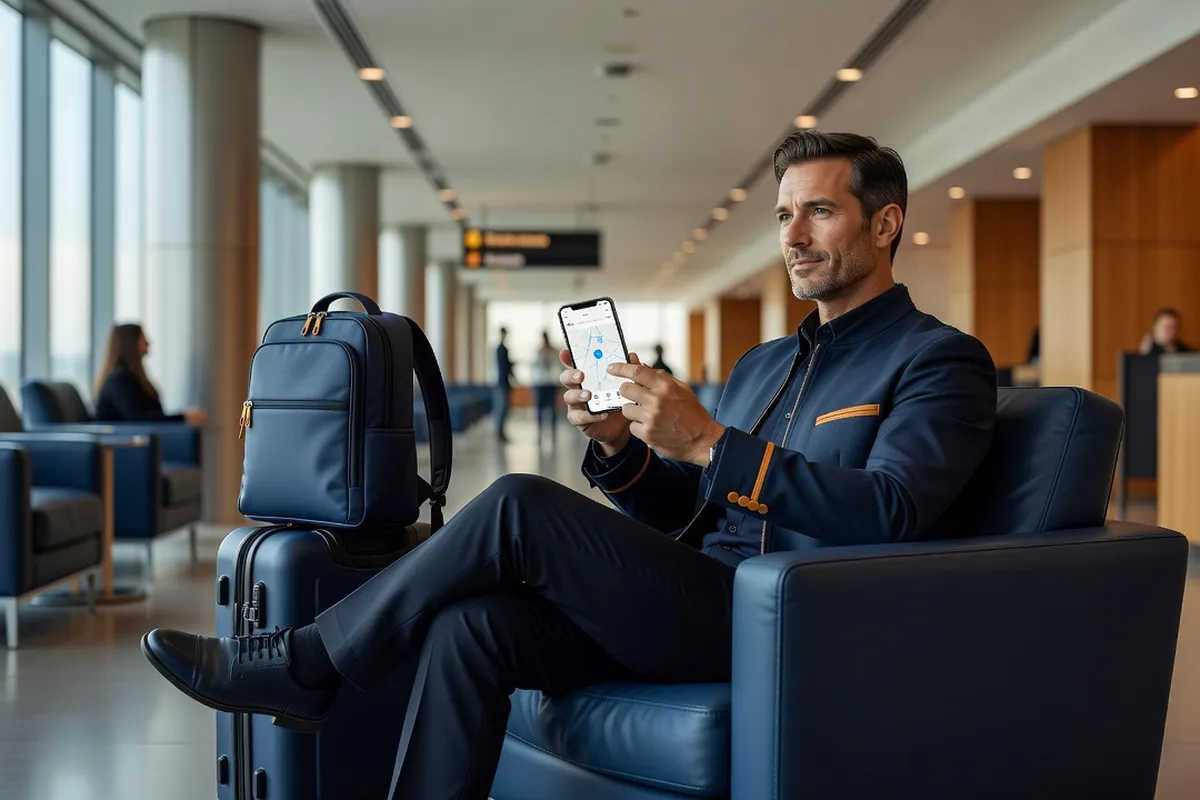
Sharing your location before leaving costs nothing and gives someone a reason to check on you.
Tip: Trust your instincts. If something feels off during a video call or messaging exchange, it’s better to be cautious and consider canceling the meeting. Remember, it’s better to be safe than sorry.
Picking a Meeting Spot When You Don’t Know the City
Choosing a safe and convenient meeting location is crucial when you’re unfamiliar with the area. Opt for public, well-lit places with plenty of people around. Cafés, busy plazas, or popular tourist spots often provide a secure environment. In destinations like Paris or Tokyo, bustling areas are perfect for a first meeting and can turn a potentially awkward encounter into a delightful experience.
- Research Venues in Advance: Use travel guides or online resources to find reputable spots. Websites like TripAdvisor offer user reviews that can help you choose wisely. Reading recent reviews can also alert you to any changes in safety or quality. In 2025, a traveler in Rome avoided a scam by noticing recent negative reviews of a restaurant suggested by her date.
- Ask for Local Advice: Hotel staff or local acquaintances can offer trustworthy recommendations. A local friend might even suggest a hidden gem that’s both safe and charming. They can also provide insights into areas to avoid, which might not be obvious to a tourist. In Tokyo, for instance, locals might steer you away from less reputable parts of Shinjuku.
- Avoid Remote Areas: Stick to easily accessible locations where you can quickly leave if necessary. In cities with extensive public transportation networks, ensure the meeting spot is near a metro or bus stop for easy access. This strategy is particularly useful in cities like London or New York, where public transport is reliable and extensive.
In major cities, consider using apps that provide detailed maps and reviews of local venues, such as Yelp or Google Maps. These platforms can guide you to safe and popular meeting spots, minimizing unnecessary risks.
Checklist:
- Choose a venue with good reviews.
- Ensure the location is easy to reach by public transport or taxi.
- Inform a friend of your plans and expected return time.
Sharing Your Location and Plans Without Oversharing
While it’s essential to let someone know where you’ll be, oversharing can inadvertently compromise your safety. Here’s how to strike a balance:
- Share Live Location: Use apps like WhatsApp or Google Maps to share your live location with a trusted friend for the duration of your date. This feature allows them to track your whereabouts in real-time and provides peace of mind. It’s a practical way to ensure someone is aware of your location without giving away too much information to your date. In one case, a traveler in Berlin used this feature to alert a friend when her date took an unexpected route.
- Keep Details Vague: Avoid posting detailed plans on social media where they can be accessed by strangers. A simple check-in without specifics is usually sufficient. This prevents unwanted attention from people who might have ill intentions. For instance, a general post about exploring a city’s highlights is safer than sharing your exact itinerary.
- Update a Trusted Contact: Regularly inform a friend or family member of your whereabouts and any changes in plans. A quick text or call can prevent unnecessary worry and keep others in the loop. It’s also wise to have a pre-arranged check-in time, so they know to follow up if they haven’t heard from you.
Tip: Set boundaries on what information you share with your date. There’s no need to disclose your hotel address or travel itinerary until you feel completely comfortable.
Language Barriers: What Gets Lost (and What Gets Exploited)
Navigating language differences can impact your ability to communicate effectively on a date. Misunderstandings are common and can sometimes lead to uncomfortable situations. For instance, a simple dinner invitation might be misinterpreted as something more serious due to cultural nuances.
| Scenario | Potential Misunderstanding | How to Mitigate |
|---|---|---|
| Joke or Sarcasm Misinterpreted | Offense taken by either party | Clarify intent or meaning |
| Directions or Plans Misunderstood | Getting lost or going to the wrong place | Use translation apps, confirm details |
Language barriers can also be exploited by individuals looking to take advantage of travelers, such as through scams or misleading information. It’s crucial to have translation apps handy and verify any unclear messages with a local or a trusted contact. Apps like Google Translate or iTranslate can help bridge communication gaps. In one incident, a traveler in Seoul avoided a scam by using a translation app to clarify the details of a supposedly exclusive event.
Furthermore, certain words or phrases might have different connotations in another language. What seems like a harmless comment in one culture might be offensive in another. Therefore, it’s beneficial to learn basic phrases and understand cultural contexts before engaging in conversations. This cultural literacy can also enhance your overall travel experience. Confusion over tone or intent is also one of the more common early warning signs worth tracking — see our breakdown of dating red flags to watch for before getting attached for patterns that apply just as much across language barriers as they do at home.
Key takeaway: Always double-check important details. When in doubt, ask for clarification or assistance from someone who speaks the language fluently. This small step can prevent significant misunderstandings.
Money and Payment Red Flags Specific to Travel Dating
Financial scams targeting tourists are a significant concern. Here are some red flags to watch for when dating abroad:
- Requests for Money: Be wary of anyone who asks for financial assistance or suggests expensive activities. Financial scams targeting tourists are a common issue. Always question the motives behind such requests, especially if they come early in the relationship. A traveler in Bali reported a scam where a date asked for money to pay an “emergency” medical bill, which later turned out to be fabricated.
- Unfamiliar Payment Methods: Stick to known, secure payment methods and avoid using cash. Credit cards often offer fraud protection, giving you extra security. Using digital payment methods like Apple Pay or PayPal can also provide additional layers of security. In one case, a tourist in Mexico used a digital wallet to avoid a common cash scam at a local restaurant.
- Exclusive Venue Suggestions: Expensive, out-of-the-way venues might be setups for scams. If a date insists on a particular venue, verify its legitimacy through online reviews. A quick search can reveal any suspicious patterns or complaints from previous patrons. This vigilance can prevent you from becoming a target.
Our full online dating safety checklist offers further insights into recognizing and avoiding financial traps. By staying informed, you can protect yourself from being a target. Additionally, always keep receipts of your transactions and monitor your bank statements for any unauthorized charges.
Splitting bills and keeping records protects your finances and sets an expectation of equal responsibility.
Common mistake: Agreeing to pay for everything or handing over cash without receipts. Always split bills and keep records of transactions. This practice not only protects your finances but also sets a precedent for equal responsibility.
What to Do if a Date Goes Wrong in an Unfamiliar Place
It’s important to have a plan for what to do if a date doesn’t go as expected. Here are steps to take:
- Stay Calm and Assess the Situation: Do not panic. Evaluate if there is an immediate threat. Deep breathing can help you stay focused and clear-headed. It’s important to project confidence and calmness to avoid escalating the situation.
- Leave Safely: If you feel uncomfortable, excuse yourself and leave promptly. Use a known and reliable transportation method. In many cities, ride-sharing apps like Uber or Lyft can provide a quick exit. Ensure your phone is fully charged before heading out, allowing you to call for help if needed. A traveler in Rio de Janeiro used a ride-sharing app to leave a problematic date discreetly.
- Contact Someone You Trust: Inform them of your situation and seek advice or assistance. A simple phone call can be a lifeline if you find yourself in a precarious situation. Having a pre-arranged check-in time with a friend can also ensure someone is aware if you need immediate help.
In the event of a serious incident, knowing the local emergency services’ contact details can be vital. Always have these numbers saved in your phone before heading out. Many travelers are often unaware of the local emergency number when arriving in a foreign country. Preparation can make all the difference in handling unforeseen circumstances effectively.
Tip: Establish a safety word or phrase with a friend that, if used, means they should take immediate action to assist you. This can be a discreet way to signal for help without raising suspicion.
Building a Simple Solo Travel Dating Safety Routine
Developing a routine can help mitigate risks and reduce anxiety when dating abroad:
- Pre-Date Preparations: Research your date’s profile and the meeting location. Plan your route and transportation. Knowing where you’re going and how to get there allows you to relax and enjoy the experience. Additionally, familiarize yourself with cultural norms to avoid unintentional faux pas. For a more in-depth look, see how to spot a fake dating profile.
- During the Date: Stay aware of your surroundings, keep personal items secure, and monitor your drink. Awareness is key to preventing incidents. Maintaining eye contact and confidence can deter potential threats. In one reported case, alertness helped a traveler in Istanbul avoid a pickpocket attempt.
- Post-Date Review: Reflect on the encounter and note any areas for improvement for future dates. Self-assessment can enhance your future interactions and safety. Consider sharing your experience with trusted friends to get their perspective and advice. This feedback loop can be invaluable for personal growth and increased awareness.
Checklist:
- Verify the identity of your date.
- Share your location with a trusted contact.
- Keep personal information private.
In conclusion, solo travel dating can be a fulfilling way to explore new cultures and meet new people. However, taking the necessary precautions is essential to ensure your safety. By following the tips and strategies outlined in this guide, you can enjoy your adventures with greater peace of mind. Travelers wanting a broader look at safe, serious dating practices from a different cultural lens may also find this French-language dating safety perspective a useful companion read.
Frequently Asked Questions
Is it safe to use dating apps while traveling solo?
Using dating apps while traveling solo can be safe if you take proper precautions. It’s important to be mindful of your personal information and meet in public places. Always inform a friend or family member about your plans and share your location with them when meeting someone new.
Which dating apps are best for meeting people while traveling?
Some popular dating apps for meeting people while traveling include Tinder, Bumble, and Happn, as they offer location-based matching. These apps often have features that allow you to set your location to a specific city or region, making it easier to connect with locals.
How do I avoid dating scams that target tourists specifically?
To avoid dating scams targeting tourists, be cautious of anyone who asks for money or personal financial information. Verify the identity of your match through video calls before meeting in person, and be wary of profiles with limited information or generic photos.
Should I tell a match which hotel I’m staying at?
It’s generally not advisable to tell a match the exact hotel you’re staying at until you have established trust. Instead, arrange to meet in a public place and only share specific details once you feel comfortable and confident in their intentions.
What should I do if I feel unsafe on a date while traveling alone?
If you feel unsafe on a date while traveling alone, trust your instincts and leave the situation immediately. Head to a public area or a crowded venue, and alert someone nearby if necessary. It’s also a good idea to have a friend or family member on standby whom you can contact for support.