
The matching algorithms within dating apps have advanced significantly, impacting who users see and their overall experience on the platform. Understanding these systems allows users to choose the most suitable platform based on their personal goals, rather than being at the mercy of opaque ranking rules. This article delves into how different dating apps—Tinder, Badoo, Hily, Bumble, AfroIntroductions, and ChinaLoveCupid—employ their algorithms to connect people.
Why the Matching Algorithm Matters More Than the App’s Design
While a dating app’s design and features are often highlighted in marketing, the core algorithm is what truly dictates user experience. Two apps with similar interfaces can yield vastly different results due to their differing priority metrics. For example, one app might prioritize recent activity, while another might weigh compatibility questionnaires more heavily. Users sometimes switch platforms for aesthetic reasons, only to return to their original app when they realize the new service presents fewer compatible matches. This reinforces the idea that the algorithm often outweighs the app’s visual appeal.
“The algorithm is the true product,” note dating app product designers, emphasizing that the visible interface is secondary to the matching logic beneath.
Swipe-heavy apps often show the same popular profiles to many users, creating competition and lowering reply rates. Conversely, compatibility-driven services focus on showing fewer, more relevant profiles, increasing the likelihood of meaningful connections. These algorithmic differences affect user experience far more than superficial design elements. This is especially crucial for users who may become frustrated with an app if they don’t understand why they are seeing certain profiles over others. Understanding the algorithm can help users tailor their behavior to improve their experience, such as ensuring profile completeness or engaging actively with the app.
In practice, an algorithm that prioritizes recent activity will display profiles of users who have been online recently. This can lead to more immediate interactions but might overlook potentially compatible matches who log in less frequently. On the other hand, algorithms that rely on extensive questionnaires to match users can create a more tailored experience by delving into personality traits and relationship goals, although they may require more upfront effort from users.
For instance, users who invest time in completing detailed profiles and questionnaires often find that the app presents them with matches that align more closely with their values and interests. This is particularly beneficial for those seeking long-term relationships, as the algorithm filters out less compatible profiles. Users can also enhance their experience by regularly updating their profiles and preferences, which signals to the algorithm their current desires and activity level.
Many users find that engaging with potential matches through meaningful conversation rather than superficial swiping leads to better outcomes. By understanding the algorithm’s behavior, users can adopt strategies that maximize their visibility and attractiveness within the app’s ecosystem, such as being active at peak times or responding promptly to messages, thus leveraging the algorithm to their advantage.
Swipe-Based Algorithms: How Tinder and Badoo Rank Who You See
Tinder and Badoo use swipe-based algorithms that incorporate various behavioral signals. Tinder, for example, evaluates swipe patterns, message response rates, and profile completeness to determine a desirability score. Badoo adds a layer of geographic recency, promoting profiles that are recently active in a user’s area — see our full Badoo review for a closer look at how that recency weighting plays out for real users. Such systems tend to favor users who already receive a lot of interactions, creating a feedback loop that can be beneficial for some, but frustrating for others seeking broader exposure.
“After consistently responding within four hours, my daily impressions increased significantly,” reported a Badoo user, highlighting how active engagement can enhance visibility.
In practice, these algorithms often encourage users to be more active and strategic about their interactions. Many users find that being online during peak hours, such as evenings or weekends, can increase the chances of their profiles being shown to others. This is because the algorithms prioritize users who are actively engaging with the app, as this behavior suggests a higher likelihood of immediate interaction.
For users aiming to improve their visibility, regularly updating their profile photos or bio can signal to the algorithm that the user is active and invested in matching. This can result in being shown to a wider audience. Additionally, engaging with profiles that are less frequently swiped or less popular can sometimes lead to increased visibility. The algorithm may interpret this behavior as a willingness to engage broadly, thus rotating the user’s profile into more diverse queues.
Moreover, users often experiment with different profile setups to see what garners more attention. For instance, some may try different photo styles or modify their bio to reflect varied interests, helping them appeal to different audiences. This approach can be particularly useful in overcoming the challenges posed by algorithms that tend to favor already popular profiles.
In summary, understanding and adapting to the nuances of swipe-based algorithms can significantly impact a user’s experience on dating apps like Tinder and Badoo. By actively engaging and strategically presenting themselves, users can improve their chances of being noticed and ultimately finding meaningful connections.
Compatibility-Questionnaire Algorithms: How Hily Builds a Match Score
Hily’s algorithm is built around detailed questionnaires, using responses to calculate a match score. This system evaluates compatibility across multiple dimensions, updating scores as users engage and provide more data. Users who complete these questionnaires thoroughly often find more relevant matches. This method appeals to those who prefer a more selective approach to dating.
This approach allows users to express nuanced preferences and characteristics that might not be immediately apparent from a profile picture or a brief bio. As users interact with the app, the algorithm refines their match scores based on new data, such as response patterns and additional questionnaire answers. This means that being honest and detailed in questionnaire responses can significantly impact the quality of matches.
In practice, users often find that the more effort they put into the questionnaires, the better the quality of matches they receive. Many users take advantage of this by spending time to thoughtfully consider their answers, which can lead to more meaningful connections. For example, a user interested in long-term relationships might emphasize values like commitment and family, while someone looking for casual dating might highlight flexibility and spontaneity. This strategic approach helps the algorithm align potential matches with similar priorities.
Additionally, the dynamic nature of Hily’s algorithm means it adapts as users change their preferences or priorities over time. For instance, if a user initially focuses on local connections but later decides to explore long-distance options, updating questionnaire responses can reflect these new interests, leading to an updated pool of potential matches. This adaptability is particularly valuable for users whose dating goals evolve, ensuring that the app remains a relevant tool for finding suitable partners.
Overall, Hily’s questionnaire-based matching system encourages users to be introspective and intentional about their dating preferences, which can lead to more satisfying interactions. For more insights into Hily’s approach, check out our full Hily review and how its algorithm works.
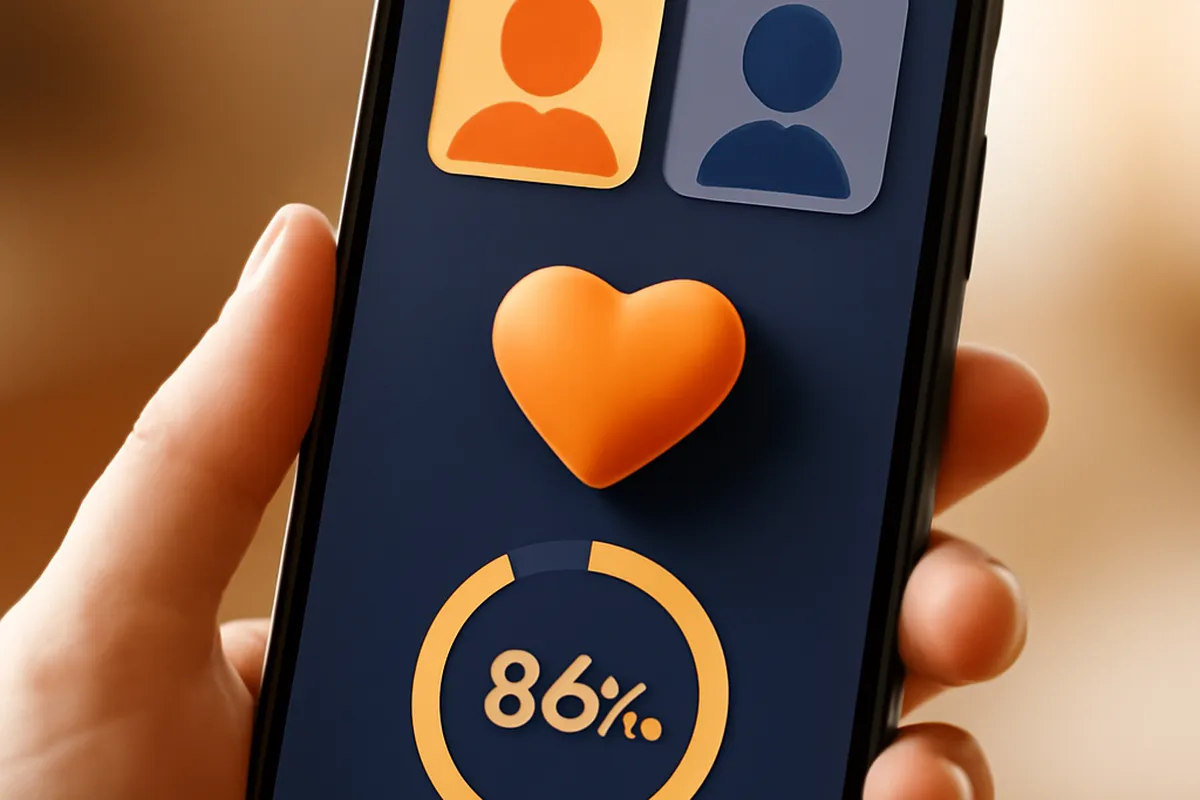
Questionnaire-based scoring rewards users who think carefully about what they actually want before answering.
Activity-Based Algorithms: How Bumble Weighs Response Behavior
Bumble emphasizes user activity and prompt responses, particularly within its women-first messaging framework. The algorithm monitors how quickly users reply to messages and rewards those who engage promptly. This approach fosters active conversation, which Bumble values as it correlates with user retention and satisfaction. Users who respond quickly tend to have their profiles shown more frequently in recommendation cycles.
In practice, Bumble’s emphasis on response behavior means that users who are more engaged and responsive are likely to experience greater success on the platform. For instance, if a user consistently replies to messages within a few hours, the algorithm may interpret this as a sign of high engagement. Consequently, this user’s profile might appear more often in potential matches’ feeds, thus increasing their chances of connecting with others.
For users, this means adopting a strategy of regular app engagement can be beneficial. Many users find that setting aside specific times of the day to check and respond to messages can be an effective way to manage their dating app activity. This not only helps in maintaining a high engagement score but also ensures that conversations remain lively and ongoing, which could lead to more meaningful connections.
Moreover, Bumble’s unique structure, which allows women to make the first move, encourages a dynamic where initial interactions are more deliberate and potentially more meaningful. Women who take the initiative in reaching out often find that they can steer conversations in a direction that aligns with their intentions, leading to more satisfying interactions. This setup not only empowers women but also encourages men to be more responsive and engaged, knowing that prompt replies could enhance their visibility and matching prospects.
Overall, Bumble’s activity-based algorithm encourages users to be proactive and responsive. By doing so, users can significantly improve their experience on the app, increasing their chances of finding compatible matches. For a comprehensive exploration of Bumble’s unique approach, see our full Bumble review.
Niche and Community Algorithms: How AfroIntroductions and ChinaLoveCupid Prioritize Relevance
Platforms like AfroIntroductions and ChinaLoveCupid integrate cultural and demographic criteria into their algorithms. These niche services prioritize ethnicity, language, and cultural compatibility, offering a tailored experience for users with specific preferences. This results in a smaller but more relevant pool of matches, appealing to users whose criteria extend beyond superficial characteristics.
By focusing on cultural compatibility, these platforms can create a more comfortable environment for users seeking connections within specific communities. Users may find more success by being explicit about their cultural preferences and engaging with features that highlight cultural aspects, such as language settings or ethnicity filters. This approach supports users seeking deeper cultural connections and can lead to more meaningful interactions.
In practice, the algorithms on these platforms often prioritize matches based on shared cultural backgrounds, which can significantly impact user experience. For instance, a user on AfroIntroductions may find their matches are primarily from regions or countries that reflect their own heritage or cultural interests. This can lead to conversations that are more engaging and relatable, as users share common cultural references or traditions that might not be as easily understood by those outside their community.
Many users on these niche platforms tend to be intentional about their profiles, often including detailed cultural information and preferences. This transparency not only aids the algorithm in providing relevant matches but also sets the stage for deeper connections from the outset. A user might, for example, specify a preference for a partner who speaks a particular dialect or shares certain cultural practices, thus guiding the algorithm to prioritize these factors.
The emphasis on cultural relevance also encourages users to approach the platform with a mindset geared towards long-term relationships or meaningful friendships, as opposed to casual encounters. This focus can foster a sense of community, where users feel understood and valued for their cultural identity.
| Feature Focus | Description | Platform Examples |
|---|---|---|
| Geographic Recency | Prioritizes recent activity in your area | Badoo |
| Compatibility Scores | Uses questionnaires for match-making | Hily, AfroIntroductions |
| Cultural Relevance | Tailors matches based on cultural factors | AfroIntroductions, ChinaLoveCupid |
For those interested in international perspectives on matchmaking, a French-language perspective on modern matchmaking platforms offers additional insights into culturally focused dating strategies.
Engagement Optimization vs. Long-Term Fit: The Core Trade-Off
Many mainstream dating apps optimize for short-term engagement metrics such as daily active users and message exchanges. This focus can sometimes conflict with long-term compatibility, as platforms benefit when users remain active. In contrast, niche and questionnaire-based services can afford to prioritize match quality over quantity, often leading to longer-lasting connections.
This trade-off is crucial for users to consider when selecting an app. Mainstream apps often employ algorithms designed to keep users engaged by presenting a wide array of potential matches, often based on proximity or recent activity. This can result in users experiencing a high turnover rate in conversations and connections, which might be exciting for those seeking diverse interactions but can be frustrating for those desiring deeper, more meaningful relationships. As a result, users may find themselves swiping through numerous profiles without forming lasting connections.
| Optimization Goal | What It Prioritizes | Trade-off for Users |
|---|---|---|
| Engagement-Optimized Platforms | High activity and frequent interactions | May lead to superficial connections and user fatigue |
| Compatibility-Optimized Platforms | Match quality and shared values | Fewer matches, potentially resulting in slower interactions |
Conversely, niche platforms or those utilizing detailed questionnaires typically rely on algorithms that delve into personality traits, interests, and values. These apps might present fewer matches overall, but the connections tend to be more aligned with users’ long-term relationship goals. For example, platforms that emphasize compatibility might match users based on shared values or lifestyle preferences, leading to a more focused dating experience. Users on these platforms often report a higher satisfaction rate with the quality of matches, even if the quantity is lower.
Understanding these dynamics can guide users in selecting the app that aligns with their personal goals. Those seeking serious relationships may find more satisfaction in platforms that sacrifice volume for depth. For instance, a user interested in a committed relationship might prefer an app that offers in-depth profiles and personality assessments, as this can lead to more substantive conversations and potential partnerships. Conversely, users interested in casual dating might prefer platforms that maximize engagement and immediate interaction, enjoying the thrill of frequent new connections without the pressure of long-term commitment.
Additionally, examining our comparison of dating app subscription costs can provide further insights into how different platforms balance these trade-offs. Understanding the financial investment associated with each app can also influence user decisions, as some may be willing to pay a premium for a service that aligns closely with their dating objectives.

Every ranking system optimizes for something, and engagement and long-term fit rarely point in the same direction.
How to Read Your Own Match Patterns to Understand the Algorithm
Users can gain insights into a platform’s algorithm by tracking their own interaction patterns. By observing which profiles appear after certain actions, such as swiping or updating profile details, users can infer whether the algorithm prioritizes factors like recency, similarity, or activity. Keeping a log of these interactions can help users understand and navigate the system more effectively.
- Observe changes in recommended profiles after updating personal information or swiping habits.
- Track response rates and match quality to gauge algorithmic preferences.
- Adjust filters and note any shifts in the types of profiles shown.
Understanding these patterns can guide users in optimizing their profiles and interactions to better align with the platform’s matching logic. This proactive approach empowers users to tailor their experience, potentially leading to more satisfying results.
In practice, many dating apps prioritize showing users profiles that have been recently active or updated, as this suggests a higher likelihood of engagement. For instance, if a user notices an influx of new or different profiles after they update their profile picture or bio, it could indicate that the algorithm values recency and active engagement. Observing these shifts can help users decide when to update their own profiles to maximize visibility.
Moreover, some algorithms may emphasize similarity, matching users based on shared interests or demographic details. If users consistently see profiles that share specific hobbies or backgrounds, it suggests the algorithm is leveraging these commonalities. Users can then strategically highlight certain interests or attributes in their profiles to attract more compatible matches.
Activity level also plays a crucial role. Users who regularly log in and interact with the app might find themselves presented with more potential matches due to the algorithm rewarding consistent engagement. For example, a user who logs in daily and swipes actively may notice a more dynamic and varied set of profiles than someone who engages sporadically.
By methodically observing these patterns, users can make informed decisions about their app interactions. This might include timing profile updates to coincide with when they notice increased profile views or strategically liking certain profiles to see how the algorithm responds. Ultimately, understanding these nuances can help users enhance their dating experience and connect with more compatible matches.
Choosing an App Based on How Its Algorithm Actually Works
Selecting the right dating app involves matching personal dating preferences with the algorithmic incentives of the platform. Users seeking a high volume of interactions might prefer swipe-based services, which typically reward quick decision-making and broad exposure. These platforms, like Tinder, commonly use a swiping mechanism that encourages users to make rapid judgments, often prioritizing physical attraction. In practice, such algorithms often result in a higher number of matches but may lead to more superficial connections. Users may find themselves engaging in numerous brief conversations that do not always lead to meaningful outcomes.
Conversely, those looking for deeper connections might choose questionnaire-driven apps such as eHarmony or OkCupid. These platforms tend to utilize extensive personality assessments to match users based on compatibility scores. The algorithms in these apps analyze user responses to various questions about lifestyle, values, and interests, aiming to facilitate matches that are likely to result in long-term relationships. Many users find this approach results in fewer matches overall but potentially more compatible ones, as the focus is on quality over quantity.
Niche platforms offer a focused experience for users with specific cultural or demographic preferences. Apps like JSwipe for Jewish singles or Grindr for the LGBTQ+ community use algorithms that consider cultural or identity-specific factors. This tailored approach can help users feel understood and increase the likelihood of finding someone who shares similar backgrounds or experiences.
Conducting a trial across different platforms can help users identify which algorithm best suits their needs. It is advisable to spend a few weeks on each to truly understand the nuances of how they operate.
- Assess personal priorities: volume versus compatibility.
- Experiment with two platforms concurrently to compare experiences.
- Monitor match patterns and adjust strategies accordingly.
For further insights, users can explore regional perspectives and compare subscription costs to understand how different features influence visibility and match quality. Checking out our full Tinder review can also provide a detailed understanding of one of the most popular swipe-based apps. Readers curious how matching logic is discussed outside the English-speaking market may also find a French-language perspective on modern matchmaking algorithms worth a look for comparison.